Impact Description
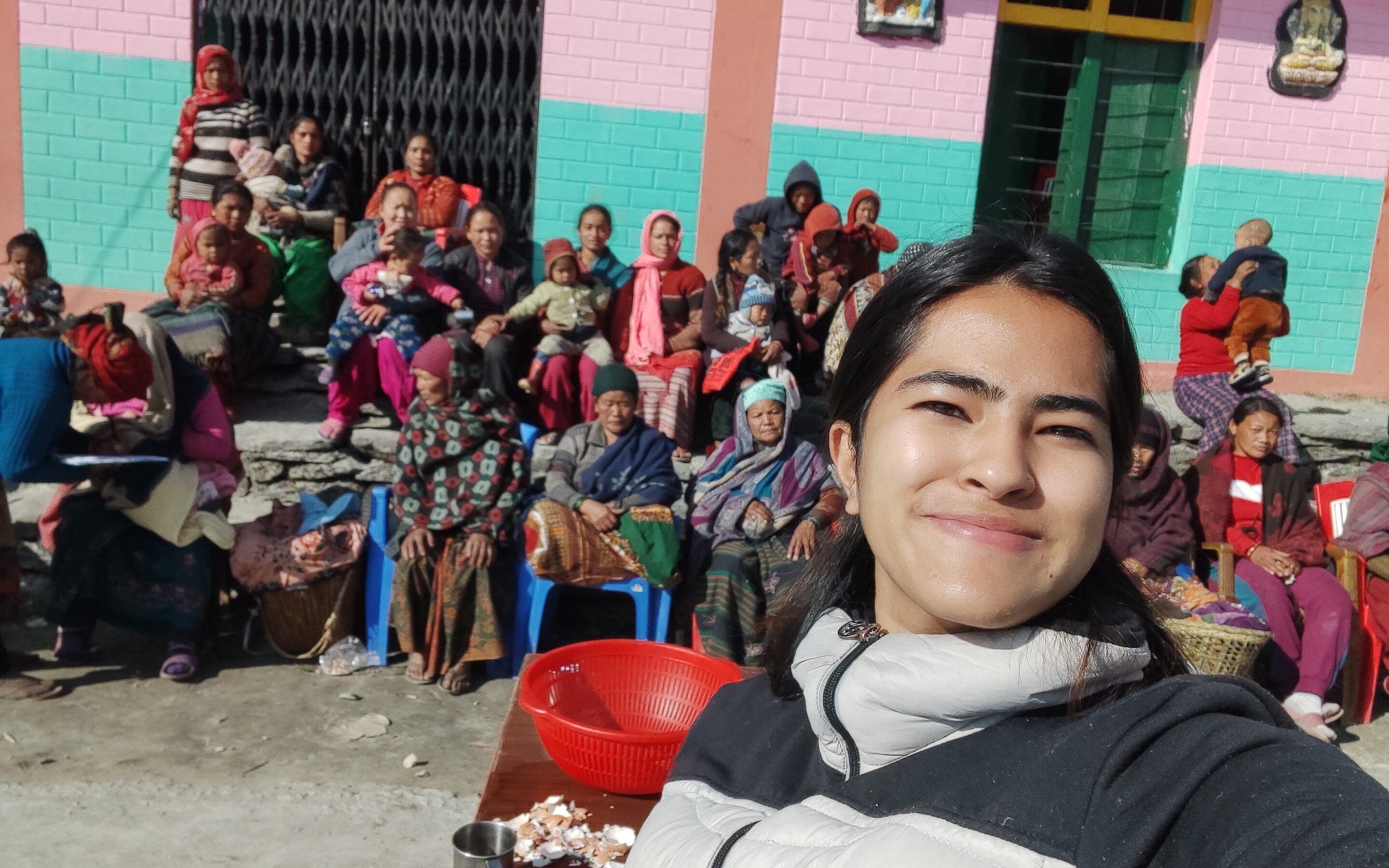
This was a community-based awareness program for pregnant women (PW) and recently delivered women (RDW) along with their family members(caregivers). The main objective was to sensitize the targeted participants about Antenatal (ANC) and Postnatal (PNC) care, institutional delivery and newborn care. Also, education regarding recognition of danger signs during pregnancy and postnatal period and appropriate nutritional requirements were provided to PW & RDW. Additionally, the family members were also explained about their responsibilities for ensuring proper care and support in the journey of motherhood.
A pregnant womens' group was formed to discuss maternal and child health issues on a monthly basis. PW & RDW became well-informed about scheduled ANC and PNC checkups, and importance of institutional delivery, leading to increased utilization of maternal and child health services. Engagement of husbands, family members and caregivers resulted in fostering a supportive environment for maternity. Promotion of proper nutritional intake and awareness regarding consequences of harmful traditional practices, resulted in improved well-being of mothers and their newborns.
Summary
Family centered program for expecting and new mothers along with their family members was conducted in Pakhapani village of Myagdi district, Nepal. 20 pregnant and recently delivered women were directly involved in the orientation program regarding ANC and PNC care whereas, awareness program regarding importance of maternal health service utilization and proper care and support for PW and RDW was conducted for 31 family members and caregivers. A community interaction program was organized to discuss about proper nutritional intake and existing harmful practices of the community. A total of 127 people from 40 households were directly or indirectly reached through this program.
Background & Context
A common challenge in rural areas of Nepal regarding maternal care is the lack of sensitization and proper awareness among the people about the healthcare services and their utilization. Additionally, some deep rooted traditional and superstitious malpractices are also equally responsible for the complications and maternal deaths outside health facilities. Despite free basic MNCH services, the utilization is very low. In Nepalese society, husbands and in-laws exercise power over family decisions and women generally have to seek permission for even accessing healthcare services.
Therefore, this program focused on promoting awareness about the importance of scheduled ANC and PNC visits, proper nutritional intake, recognising danger signs and importance of institutional delivery. The program not only involved PW, RDW but also their family members and caregivers to foster a holistic supportive environment for maternal health at the community level. The program also raised awareness regarding harmful societal practices like traditional childbirth practices, food taboos during pregnancy and gender-based restrictions, and their adverse consequences to mitigate the societal and cultural barriers to healthcare.
Implementation
Coordination with Pakhapani Health Post was done for the identification of PW and RDW of the area. Also, participants were informed by the local health staff about the agenda, date, time and venue of the program. In the meantime, IEC materials were prepared in chart papers, playcards and powerpoint presentations. The contents were based on the national 'Safe Motherhood Program' and WHO standards. Topics like scheduled ANC and PNC checkups, danger signs during pregnancy and postnatal period, importance and advantages of institutional delivery and appropriate nutritional requirements were covered in IEC materials.
At first, an orientation program was conducted for 20 PW and RDW on the above mentioned topics. The session lasted for about 3 hrs. The orientation program started with an informal introduction of the participants, program and its agenda and further proceeded to health education sessions with discussions and role plays.
Secondly, an awareness session directed to family members and caregivers of PW and RDW was conducted. Similar topics were covered in this session as well with special focus to their responsibilities in ensuring proper maternal care and support. Open group discussion was also done for 25 mins where participants shared their experiences and learning reflections related to maternal and child health issues. This entire session lasted for about 2 hrs and ended with the expression of verbal commitment of all 31 participants to create a supportive environment for PW and RDW at family and community level.
Additionally, an interaction program with 25 community members was conducted to explore existing harmful societal practices and to sensitize them regarding its adverse consequences. Discussions regarding the benefits of Maternal and Child Health(MNCH) services utilization, and importance of holistic communal support networks were done. It was a short interaction program and lasted for about an hour.
At the end of the day, a pregnant womens' group of 10 members was formed to meet up and discuss MNCH issues on a monthly basis. This group formation and selection of group leaders took about an hour. All the 76 participants were provided with a spiral notebook, a pen and a lunchbox.
Results & Impact
A phone-call follow up with 20 PW and RDW conducted after 2 months provided evidence of the program's success. Most of the participants responded that their adherence to the scheduled ANC, PNC visits, necessary medications and minimized traditional malpractices, which confirmed increased health services utilization and positive behavioral changes. Additionally, the participants also mentioned a significant increase in support from their husbands and family members, contributing to healthier pregnancy and motherhood. They also reported that monthly meetings of PW group were being conducted and MNCH issues were discussed. These outcomes underline the programs' effectiveness in promoting maternal and child health.
📅 Event Details
- Type: Community Engagement
- Date: Feb 19, 2022
- Location: Pakhapani, Myagdi
- Duration: 56 hours (8 program + 48 preparation)
📊 Impact Metrics
- People Reached: 127
- Households: 40
- Total Cost: NPR 18,200
- SDGs: 3, 5, 10